Solana Crypto Analysis and Price Outlook
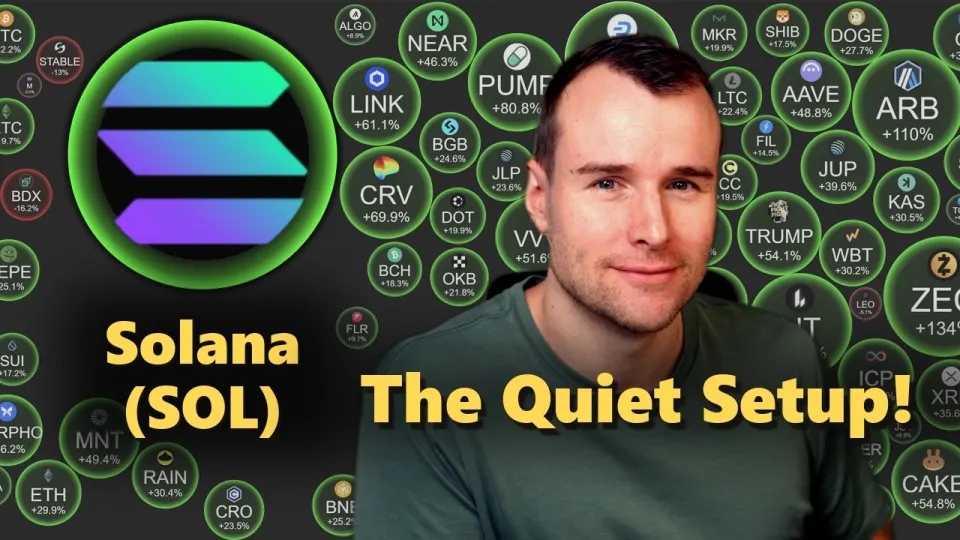
Video: 🚀 Solana Is Quietly Winning - SOL Crypto Analysis
You can order the same kind of articles for your own video to boost it on YouTube and Google. Just message the Telegram bot @sat_sit_bot. The bot writes and publishes the articles itself (with your YouTube video embedded) on popular topical websites (no ads). Try it free: 50 articles on us.
· based on the channel Bitcoin Strategy
Solana Overview and Market Position
Solana (SOL) is a leading blockchain platform known for its high throughput and low transaction fees, positioning itself as a strong competitor to Ethereum. As of 2026, Solana continues to quietly build momentum through technological upgrades and growing adoption. Investors looking to buy Solana can consider its robust ecosystem, upcoming network improvements, and attractive fee structure. For registration bonuses and automated trading options related to SOL, visit Bitcoin Strategy's registration page.
Transaction Fees and Network Performance
One of Solana's key advantages is its significantly lower fees compared to Ethereum. Since the summer, Solana’s network fees have remained well below Ethereum’s, creating a more cost-effective environment for developers and users. This fee efficiency supports diverse decentralized applications (dApps) and DeFi projects within the Solana ecosystem. However, Ethereum still leads in total ecosystem size and some network metrics, which Solana aims to challenge with continuous upgrades.
Firedancer Upgrade and Scalability
The upcoming Firedancer upgrade is a major milestone for Solana’s blockchain scalability and performance. This initiative is designed to enhance transaction throughput and network reliability, addressing past concerns about network downtime. Firedancer will help Solana maintain its competitive edge by increasing validator efficiency and supporting higher transaction volumes, which is critical for sustaining long-term growth in 2026.
Inflation and Tokenomics
Solana’s inflation rate has been a topic of discussion among investors. Compared to some altcoins, SOL's inflation is relatively moderate, which helps balance token supply growth while incentivizing network participation through staking rewards. Recent adjustments have contributed to lowering Solana's inflation, making it more attractive for long-term holders who are concerned about token dilution.
Solana ETF Inflows and Institutional Interest
Institutional investment in Solana has been growing, as evidenced by increasing inflows into Solana ETFs. These financial products allow investors to gain exposure to SOL without direct crypto custody, reflecting confidence in Solana’s potential from traditional markets. As ETFs continue to attract capital, SOL price dynamics may see positive momentum driven by broader market adoption.
Solana vs Ethereum: Strengths and Challenges
While Ethereum maintains a larger developer base and more extensive DeFi infrastructure, Solana's speed and lower fee structure offer compelling advantages. The competition between these blockchains revolves around scalability, decentralization, and ecosystem growth. Solana is quietly winning in areas of cost-efficiency and transaction speed, but it still faces the challenge of expanding its ecosystem to rival Ethereum fully.
Common Questions and Concerns
Many investors ask if Solana’s inflation undermines its value or if it can realistically reach price targets like $600 to $1000 per SOL. While inflation exists, it is managed to support network security and staking incentives. Price predictions depend on broader adoption, technological upgrades like Firedancer, and macro market conditions. Some debate whether selling SOL to buy other assets like QNT is prudent, underscoring the importance of portfolio diversification.
Useful Links
- Automatic Copy Trading and Bonuses with SOL: https://the-bitcoin-strategy.com/r/gOETmjod
- Advanced Trading Charts: https://the-bitcoin-strategy.com/tradingview
- Recommended Hardware Wallet: https://the-bitcoin-strategy.com/ledger
Conclusion
Solana’s quiet rise in the crypto space is backed by technological innovation, competitive fees, and increasing institutional interest. The Firedancer upgrade and improved tokenomics further strengthen its position against Ethereum and other altcoins. For traders and investors seeking a promising blockchain with scalability and cost advantages, Solana remains a top contender in 2026. This analysis is based on insights from the Bitcoin Strategy channel, which regularly updates on SOL developments and price forecasts. For those interested in automated trading strategies and bonuses, visiting Bitcoin Strategy’s official site is recommended.
Key takeaways
- Solana offers faster transactions and lower fees than Ethereum.
- Firedancer upgrade aims to improve Solana's network scalability.
- Solana's inflation rate is lower than many competitors as of 2026.
- Solana ETF inflows indicate growing institutional interest.
- SOL price predicted to rise with ecosystem growth and upgrades.
Source: 🚀 Solana Is Quietly Winning - SOL Crypto Analysis · Markdown version
Questions & answers
Is Solana's inflation rate a significant problem for investors?
Solana's inflation rate is moderate and designed to incentivize staking and network security. Recent adjustments have lowered inflation, making it less of a concern for long-term holders.
Can Solana realistically reach a price of $600 to $1000 per SOL?
While ambitious, price targets like $600-$1000 depend on continued ecosystem growth, adoption, and successful network upgrades such as Firedancer. Market conditions will also heavily influence price movements.
How does Solana compare to Ethereum in terms of fees and speed?
Solana offers much lower transaction fees and faster processing speeds compared to Ethereum, making it attractive for users and developers seeking cost efficiency and scalability.
Are Solana ETFs a good way to invest in SOL?
Solana ETFs provide institutional investors and retail traders exposure to SOL without direct crypto custody, reflecting growing confidence in Solana. They can be a convenient investment vehicle but should be considered alongside direct token holdings.